
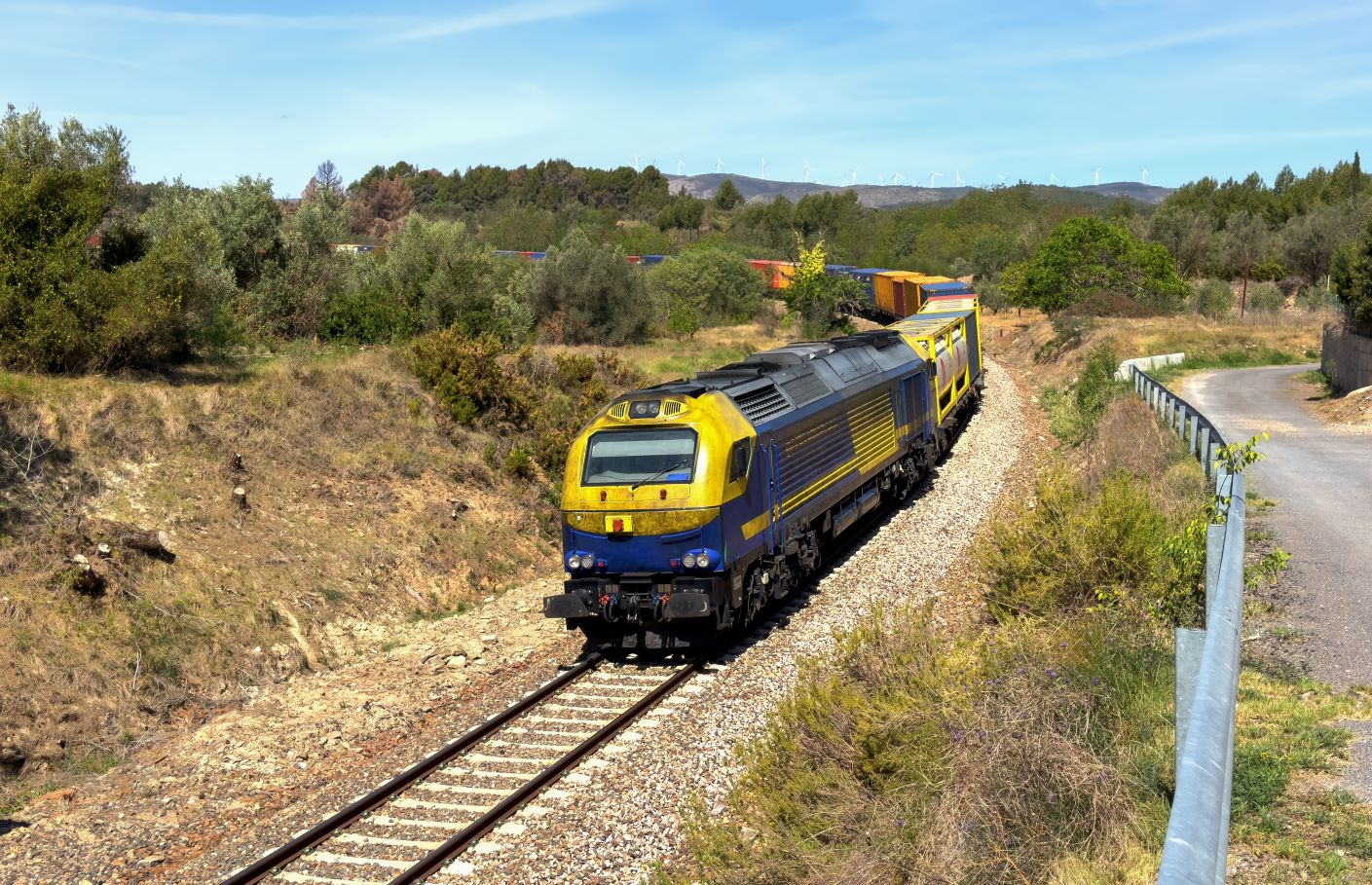
Javier Ramón analyses in Expansión who should bear the losses that railway works cause to freight transport
Javier Ramón, partner in Toda & Nel-lo’s Public, Administrative and Regulatory Law practice, has published an opinion piece in the newspaper Expansión on the Administration’s liability for damages arising from the losses that railway modernisation works cause to freight transport companies.
The article starts from a paradox: an infrastructure can improve for the future while losing users in the present. A prolonged closure or a postponed reopening can shift traffic to the road, and by the time the line is available again the customer may already have reorganised its business.
Ramón recalls that Article 106.2 of the Spanish Constitution and Articles 32 et seq. of Act 40/2015 provide the framework for the Administration’s liability for damages, and that “the public utility of an action does not in itself rule out the right to be compensated”. Works do not automatically give rise to liability, but neither do they grant the infrastructure manager immunity from their consequences. To bring a claim, it is necessary to prove an actual, economically assessable and individualised loss, its causal link with the operation of the service, and the absence of a legal duty to bear it.
Among the issues the article examines, the following stand out:
- The value of giving timely notice. Adequate advance notice makes it possible to renegotiate contracts, organise rolling stock and staff, reserve capacity and study alternative routes. European legislation sets out duties of publication and consultation on capacity restrictions, which must be applied precisely and admit exceptions, such as works needed to restore safety.
- The case law of the Audiencia Nacional. It has upheld claims for foreseeable works carried out without the required notice, but has rejected compensation where the costs arose from contractual commitments extended after the closure became known. An administrative infringement and compensable loss each require their own proof.
- The quantification of loss. Recoverable additional costs must be those actually incurred, after deducting amounts passed on to customers and expenses saved. Loss of profit is not the same as lost turnover, and fixed costs cannot be recovered twice.
- Aid and compensation. Order TRM/124/2025 and Act 9/2025 on Sustainable Mobility provide mechanisms to mitigate the impact of restrictions, but there are express incompatibilities with compensation for increased costs linked to the same restriction.
- Time limits. The general limitation period for claims is one year, and the fact that works form part of a multi-year programme does not turn all losses into a single continuing harm.
From a practical standpoint, Ramón advises affected companies to document, from the outset, the restrictions, the notices received, the alternatives considered and their commercial effects. He stresses that each company must prove its own loss, identify the party responsible and avoid duplication with other participants in the logistics chain.
The partner concludes that public debate should pay as much attention to continuity of service during the works as to their future benefits: better planning, timely information and coordinated alternatives reduce losses and help keep users on the railway. And where those safeguards fail and the legal requirements are met, “liability for damages offers a route to redress”.
You can read the full article at the following link:
Opinion piece | Expansión Jurídico: Quién soporta el coste de las obras ferroviarias